
The Origins of Circle Symbolism in Christian Art
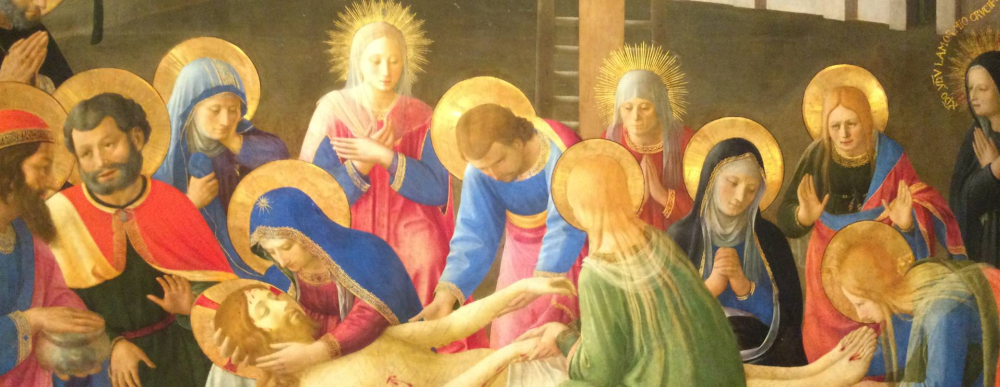
The circle has long symbolized eternity, perfection, and God’s unending presence in Christian art. Discover how this timeless shape appears in sacred paintings, architecture, and devotional imagery, continuing to inspire artists and viewers alike.
Symbolic Art: A Definition and Examples of Symbolic Artists
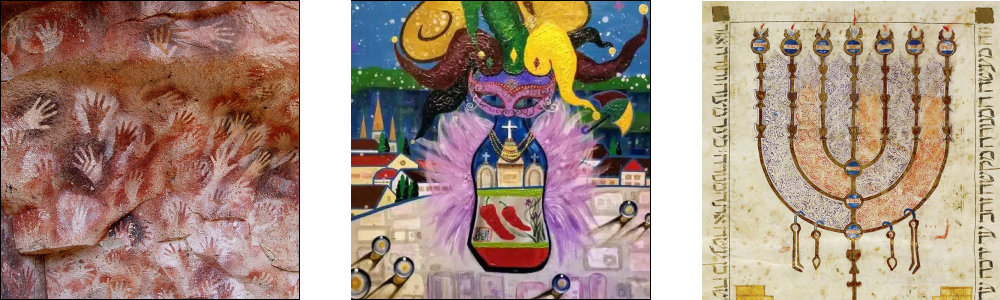
From prehistoric cave paintings to contemporary masterpieces, symbolic art has helped humanity express ideas that words cannot. Explore how artists across cultures have used symbols to communicate spiritual beliefs, personal experiences, and timeless truths through visual language.
The Difference between Modern Art and Contemporary Art
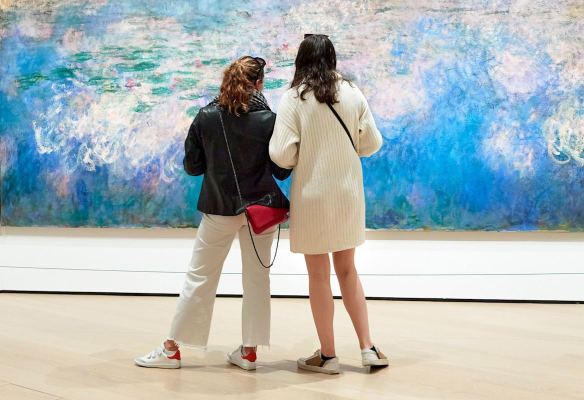
Confused by the difference between Modern Art and Contemporary Art? Discover how art historians define these two influential periods, explore the artists who shaped them, and learn why understanding the distinction can deepen your appreciation of today’s visual culture.
How the Composition of an Artwork Conveys Meaning
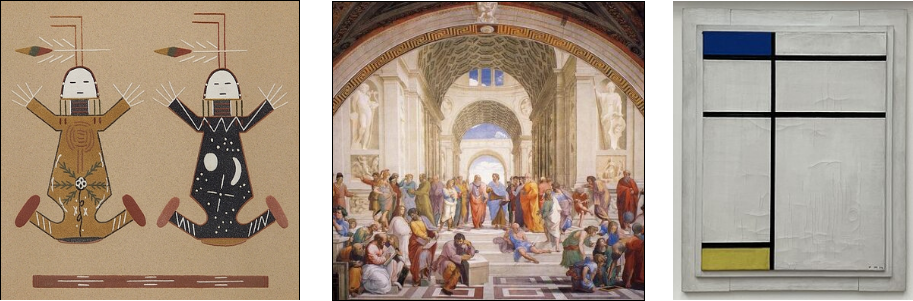
Composition is more than arranging shapes on a canvas—it is one of the artist’s most powerful tools for communicating meaning. Discover how balance, perspective, geometry, and visual structure guide the eye, evoke emotion, and transform the way we experience works of art.
Contemplative Art: Definition and Examples of Contemplative Artists
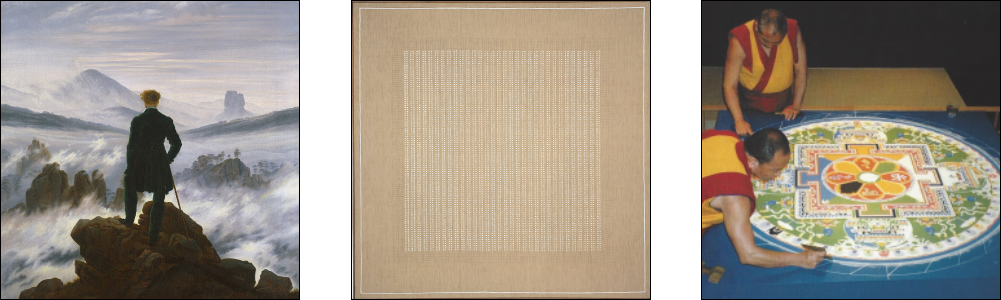
What makes a work of art contemplative? Explore the traditions, artists, and ideas behind art that encourages reflection, mindfulness, and quiet observation, revealing how stillness itself can become a powerful artistic experience.
Color Symbolism in an Artwork
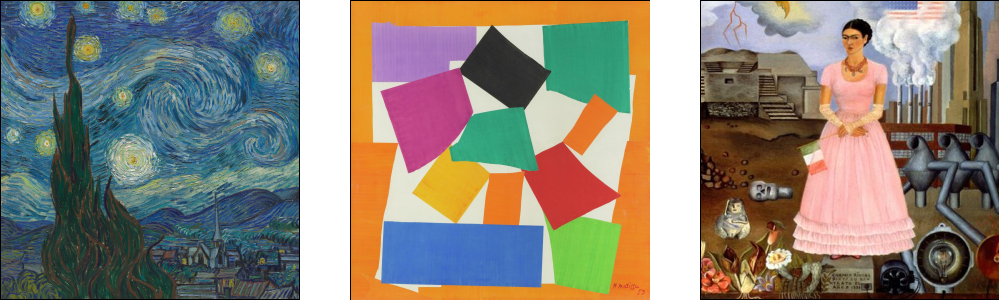
Color has the power to communicate long before words begin. Discover how artists throughout history have used color symbolically to express emotion, spirituality, and meaning—and learn why understanding color can transform the way you experience works of art.
The Use of a Gradient as a Metaphor for Transition

This article explores how abstract artists use gradients, thresholds, and subtle color shifts to make change visible. Rather than focusing on fixed destinations, the article considers how transitional spaces and soft passages of color create emotional depth, reflection, and quiet symbolic meaning.