When Color Speaks Without Words
Color is one of the first things we notice in a work of art, yet it is often the last thing we fully understand. Beyond its visual beauty, color has the remarkable ability to communicate emotion, suggest ideas, and evoke memories without relying on recognizable objects or written language. Throughout history, artists have used color symbolically to express spiritual beliefs, cultural traditions, personal experiences, and emotional states. While the meanings of individual colors vary across cultures, the impulse to communicate through color is nearly universal.
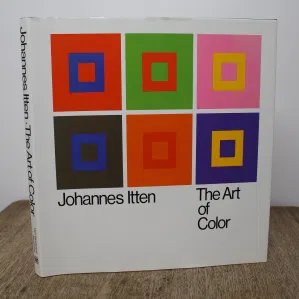
The study of color has ancient roots. Philosophers such as Aristotle explored the nature of light and color, while later scientists, including Sir Isaac Newton, demonstrated that white light is composed of the visible spectrum. During the nineteenth century, Johann Wolfgang von Goethe expanded the conversation by emphasizing the psychological and emotional effects of color in his influential Theory of Colours. In the twentieth century, artists and educators at the Bauhaus School, particularly Johannes Itten and Wassily Kandinsky, developed theories describing how colors interact visually and emotionally. Together, these thinkers helped shape what we now know as color theory—a discipline that blends science, psychology, and artistic expression.
Color as a Universal Symbol
Long before formal color theory existed, civilizations attached symbolic meanings to colors. Ancient cultures used pigments not merely for decoration but to communicate ideas about life, death, power, fertility, and the divine.
Although meanings vary around the world, some common associations include:
- Blue – peace, heaven, wisdom, trust
- Red – love, sacrifice, passion, courage
- Gold – divinity, glory, eternity
- Green – growth, renewal, hope
- White – purity, innocence, or, in some cultures, mourning
- Black – mystery, grief, authority, or transformation
These meanings are never absolute. Context, culture, and artistic intention always shape how color is understood.
Artists Who Used Color Symbolically
Many of history’s most influential artists understood that color could communicate ideas more powerfully than words. Among those best known for symbolic use of color are:
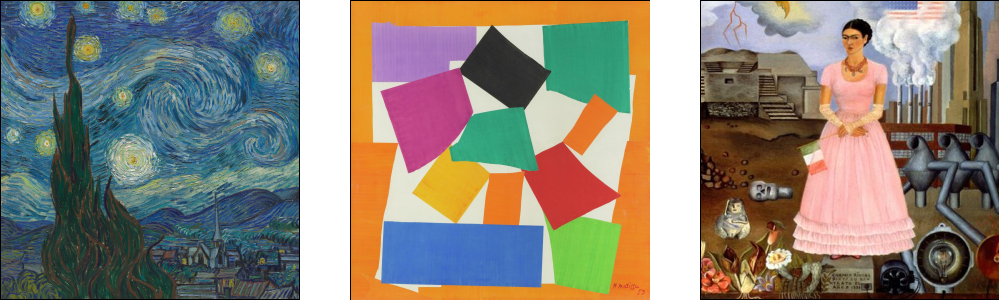
- Vincent van Gogh, whose brilliant yellows and intense blues often conveyed emotional and spiritual energy.
- Wassily Kandinsky, who believed colors possessed distinct spiritual qualities and emotional voices.
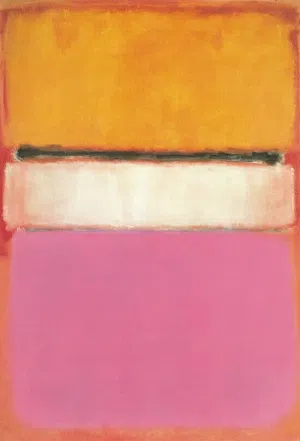
- Mark Rothko, whose luminous fields of color invite contemplation and emotional reflection.
- Henri Matisse, who used expressive color to communicate mood rather than literal appearance.
- Frida Kahlo, whose carefully chosen palette reinforced themes of identity, suffering, resilience, and cultural heritage.
Each artist demonstrated that color is capable of carrying meaning independently of subject matter.
Color Across World Traditions
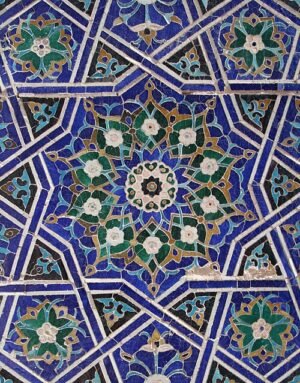
The symbolic use of color extends far beyond Western painting. Anonymous artists working within cultural traditions have employed color for centuries to communicate shared beliefs and values.
Examples include:
- Byzantine icons using brilliant gold backgrounds to represent heavenly light.
- Tibetan Buddhist mandalas employing carefully ordered colors to symbolize spiritual principles.
- Indigenous Australian paintings in which earth pigments connect stories, ancestors, and the landscape.
- Native American woven textiles using traditional color relationships to express cultural identity.
- Islamic tilework combining blues, greens, whites, and geometric design to evoke harmony and the infinite nature of creation.
Color Beyond Representation
In each tradition, color becomes part of a visual language passed from one generation to the next.
Modern and contemporary artists have increasingly explored color as the primary subject of a work rather than merely an element within it. Abstract painters demonstrated that viewers can experience profound emotional responses even when recognizable objects are absent.
This shift transformed color from a descriptive tool into an expressive language. A single hue can calm, energize, comfort, or challenge the viewer. Relationships between colors can create tension, harmony, rhythm, or movement without depicting any specific scene.
Perhaps this explains why abstract art often feels deeply personal. Viewers respond not only to what they see but also to what they feel.
Seeing Color with New Awareness
Color symbolism reminds us that art communicates on many levels at once. We notice color immediately, but understanding its meaning often requires patience, cultural awareness, and careful observation. The same shade of blue may suggest heaven in one painting, melancholy in another, and tranquility in a third.
The next time you stand before a work of art, resist the temptation to ask only, “What is this a picture of?” Instead, ask yourself, “Why did the artist choose these colors?” That simple question opens the door to a richer understanding of both the artwork and the emotions it quietly invites us to experience. In many cases, color is not simply part of the composition—it is the message itself.
References
- Johann Wolfgang von Goethe. Theory of Colours.
- Johannes Itten. The Art of Color.
- Wassily Kandinsky. Concerning the Spiritual in Art.
- The Metropolitan Museum of Art. Essays on Color, Modern Art, and Abstract Art. https://www.metmuseum.org/
- Encyclopaedia Britannica. Color Theory and Color Symbolism. https://www.britannica.com/